
When buyers walk into a home for the first time, they’re not just looking at square footage and finishes—they’re forming an emotional impression within seconds. Long before they check the price or ask about the roof, they’re asking themselves one important question:
Can I see myself living here?
The answer is shaped by subtle cues your home gives off, often without you realizing it. Here’s what your home may be saying—and what buyers notice first.
First Impressions Start Before the Front Door
Curb appeal isn’t just about landscaping; it’s about the feeling your home gives from the street. A tidy yard, clean entryway, and well-maintained exterior suggest pride of ownership. Buyers often interpret this as a sign that the home has been cared for overall.
On the flip side, peeling paint, overgrown plants, or a cluttered porch can raise quiet questions—even if the interior is immaculate.
What buyers think: If the outside looks like this, what might I find inside?
Clutter Speaks Louder Than You Think
Personal items make a house a home—but too much of them can distract buyers. Overcrowded shelves, packed closets, or oversized furniture can unintentionally signal that the home lacks space, even when it doesn’t.
Buyers aren’t judging your belongings; they’re trying to imagine their own life in the space. When that’s hard to do, emotional connection fades.
What buyers think: Will my things even fit here?
Cleanliness = Care
A clean home communicates responsibility and maintenance. Buyers often equate cleanliness with fewer hidden problems, even if they don’t consciously realize it.
Dusty baseboards, stained carpets, or lingering odors can make buyers wonder what else may have been overlooked.
What buyers think: If this wasn’t taken care of, what else wasn’t?
Light and Flow Shape Emotion
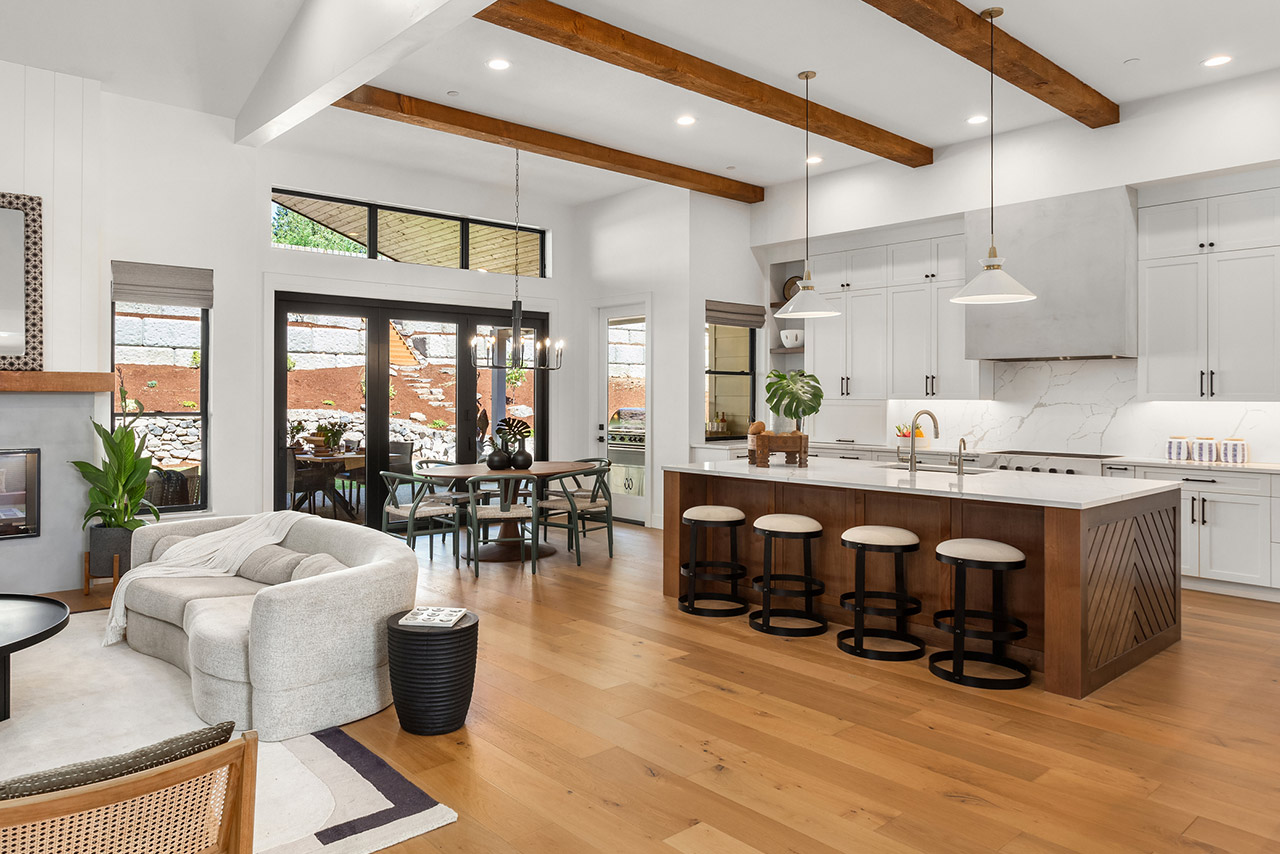
Bright, open spaces feel welcoming and calm. Natural light, unobstructed windows, and a logical flow from room to room help buyers relax and engage emotionally with the home.
Dark rooms or blocked pathways can make a space feel smaller or less functional—even if the layout is technically sound.
What buyers think: This feels good… I could live here.
Neutral Doesn’t Mean Boring
Bold design choices reflect personality, but buyers respond best to balance. Neutral walls, simple décor, and understated styling allow them to focus on the home’s features rather than the current owner’s taste.
Think of it as setting the stage rather than telling the whole story.
What buyers think: This is a blank canvas I can make my own.
The Overall Message Matters
Buyers may not remember every detail, but they will remember how your home made them feel. Comfortable. Cared for. Easy to imagine living in.
Those feelings often carry more weight than numbers on a listing sheet.
Final Thought
Your home is always communicating—whether you intend it to or not. When preparing to sell, small adjustments can shift that message from “lived-in” to “move-in ready,” helping buyers connect faster and more confidently.
If you’re curious about how buyers might see your home or want guidance on preparing it for the market, a fresh perspective can make all the difference.
